

Craniofacial Surgery
Dr Vandervord is passionate about providing care to children and families living with facial differences.
She is an active member of the craniofacial multidisciplinary team within the Sydney Children's Hospital Network, based at The Children's Hospital at Westmead campus. She undertook her subspecialty craniofacial fellowship at Necker Hospital in Paris, a centre with a long and established history of excellence in craniofacial surgery. This training underpins her approach to the full breadth of craniofacial conditions, including craniosynostosis, craniofacial microsomia, and many other facial differences.
Children with craniofacial conditions are seen through the dedicated craniofacial clinic at The Children's Hospital at Westmead, where a multidisciplinary team including plastic surgeons, neurosurgeons, ophthalmologists, orthodontists, speech pathologists, and allied health specialists plays a central role in the assessment and management of these often complex conditions.
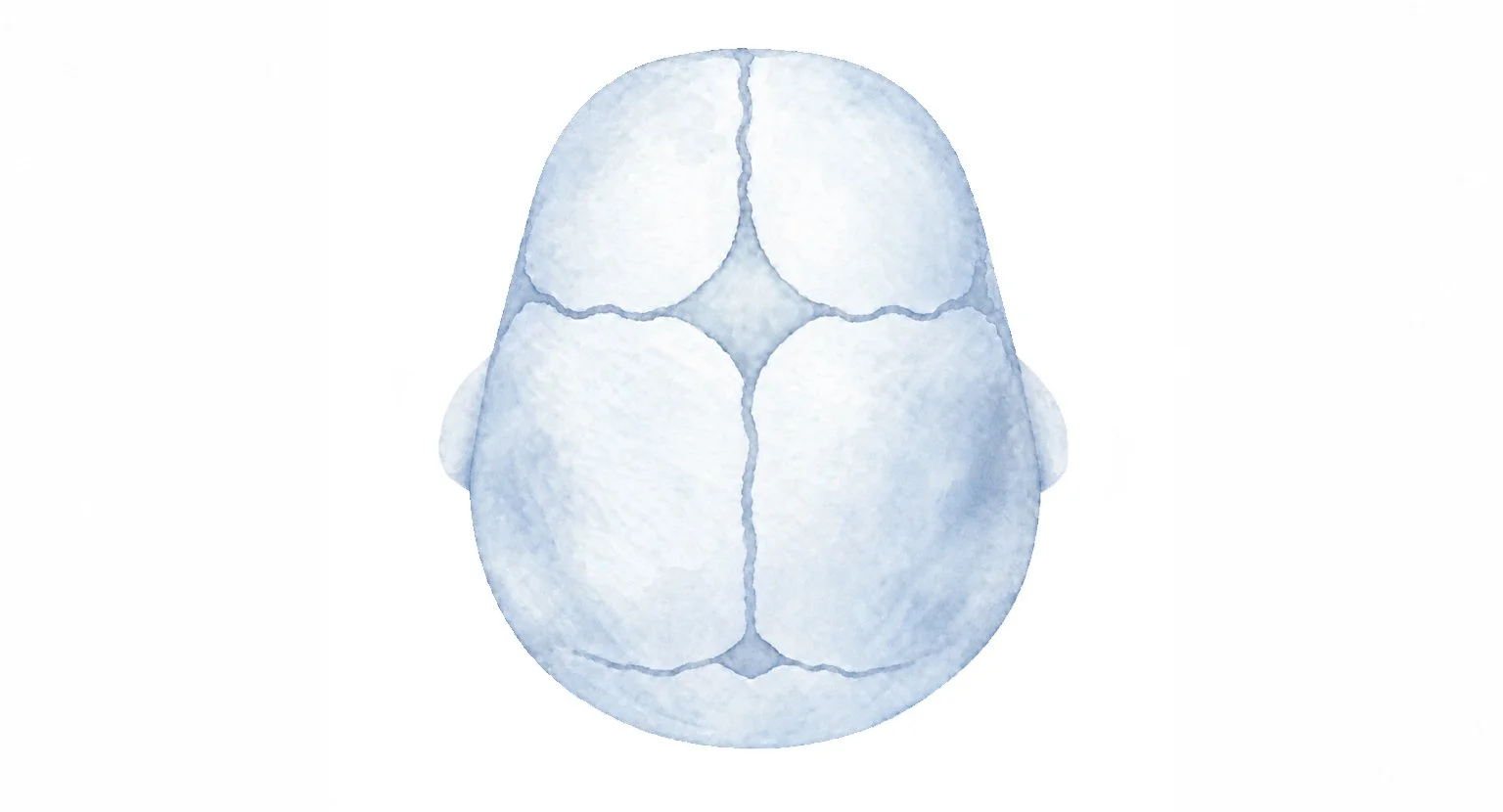
CRANIOSYNOSTOSIS
Craniosynostosis occurs when one or more of the sutures between the bones of an infant's skull fuse too early, often producing a characteristic change in head shape. Most cases are isolated, though craniosynostosis can also occur as part of a genetic syndrome, particularly when multiple sutures are involved.
Diagnosis is usually suspected clinically and confirmed with imaging, and management is guided by which sutures are affected, the age at diagnosis, the severity of the resulting shape change, and whether there is any evidence of raised pressure within the skull.
Surgery, when indicated, is planned and carried out within the multidisciplinary craniofacial team and timed according to the type of synostosis — some techniques are best performed in early infancy, while others are staged later in childhood. The shared goal across the team is to allow the brain room to grow normally while achieving a more typical skull shape.
CRANIOFACIAL MICROSOMIA
Dr Vandervord has a particular interest in craniofacial microsomia (also known as hemifacial microsomia), a condition present from birth in which the structures of one side of the face (and occasionally both sides) are underdeveloped to varying degrees. It most commonly affects the ear, jaw, and soft tissue of the cheek, and severity ranges widely, from a mild difference in ear or jaw size through to significant asymmetry requiring staged reconstruction over childhood and adolescence.
Ear development is frequently affected in craniofacial microsomia. Dr Vandervord is an active member of both the Craniofacial and Microtia Clinics, allowing ear reconstruction to be planned alongside jaw and soft tissue treatment as part of a single, coordinated approach.
Beyond craniosynostosis and craniofacial microsomia, Dr Vandervord treats the wider spectrum of congenital facial differences seen within the craniofacial service, including syndromic conditions affecting skull and facial development. Care is individualised and typically staged across childhood, with surgical timing planned around growth, function, and developmental milestones, and always in close consultation with families and the broader multidisciplinary team.
Referrals
Where a child's care involves a broader team, Dr Vandervord sees patients in the multidisciplinary craniofacial and microtia clinics at The Children's Hospital at Westmead.
Medical referrals to the craniofacial and microtia clinics can be made through Consultmed (www.consultmed.co).
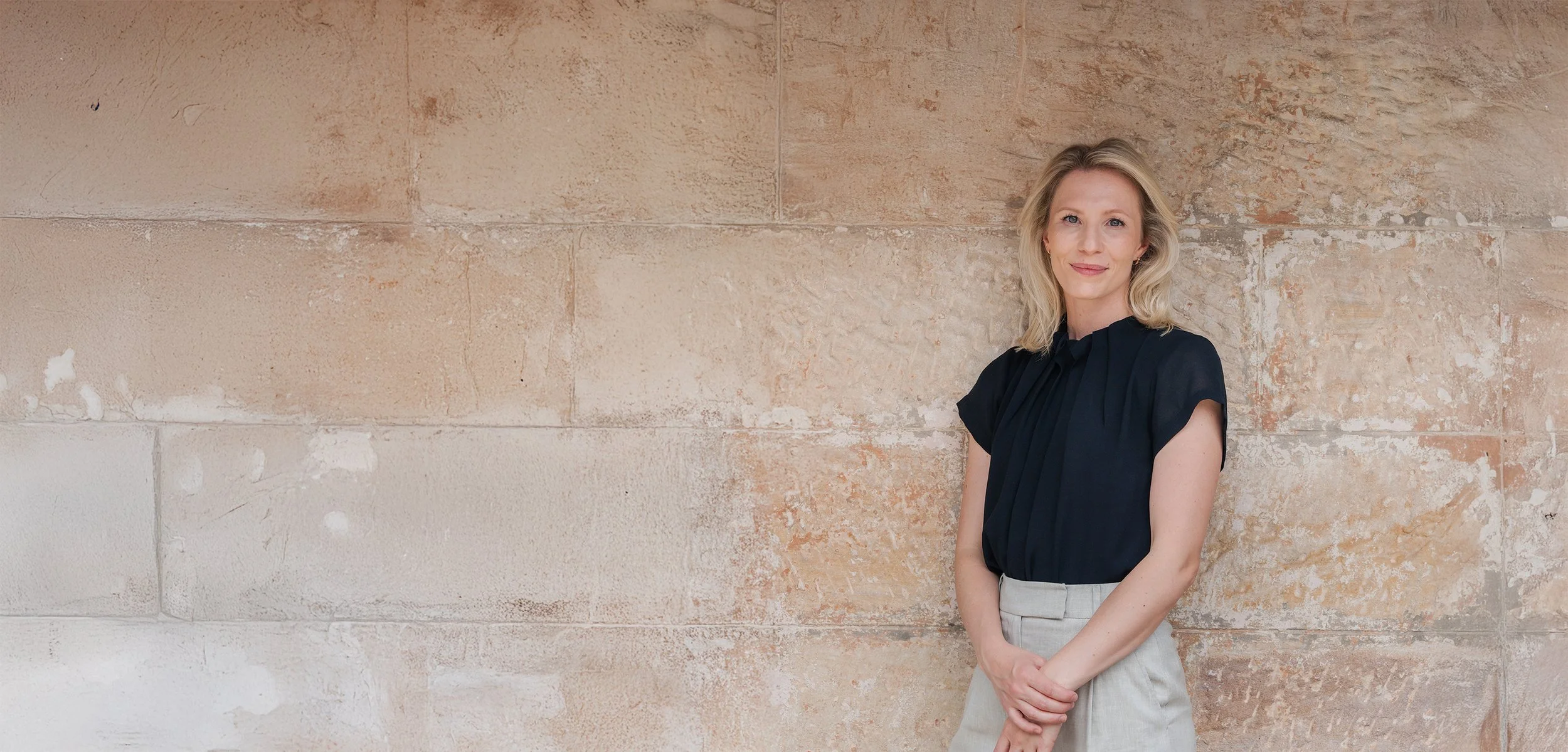
DR ELLE VandervorD
Sydney Plastic, Reconstructive & Craniofacial Surgeon
Dr Vandervord consults with patients and families across Sydney at the Children's Hospital at Westmead, and on the North Shore & Northern Beaches.